
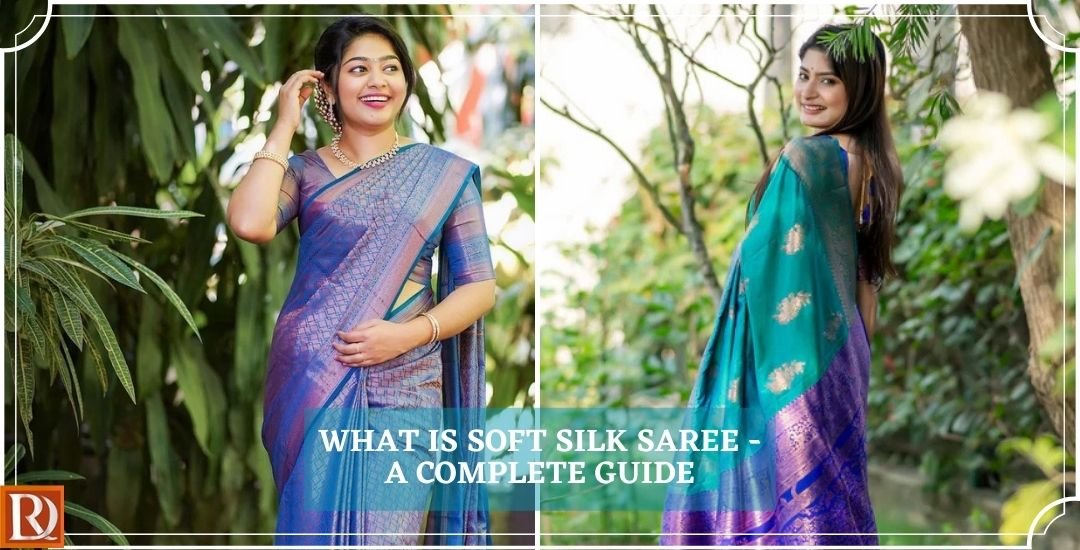
The saree, an epitome of grace and tradition, has evolved beautifully over centuries, adapting to changing styles and comfort needs. Among the many exquisite variations, the soft silk saree has emerged as a beloved choice, captivating hearts with its delicate feel, effortless drape, and undeniable elegance. But what exactly is a soft silk saree, and what makes it such a coveted addition to every wardrobe? In this comprehensive guide, we delve deep into the world of soft silk, exploring its origins, unique characteristics, and why it stands out in the vast landscape of Indian textiles.
What is a soft silk saree?
A soft silk saree is a contemporary, lightweight variation of traditional heavy silk. While a classic Kanjivaram is known for its stiff, regal structure and heavy gold zari, a soft silk saree is specifically engineered for comfort and fluidity. It is woven using fine silk threads with a lower density of metallic zari, resulting in a fabric that is incredibly supple, easy to pleat, and comfortable to wear for hours.
Think of it as the perfect middle ground between the opulence of a wedding silk and the breezy convenience of a daily wear saree—giving you a rich, lustrous look without the heavy weight.
What is a Soft Silk Saree Made Of?
At its heart, a soft silk saree is a testament to the masterful artistry of silk weaving, designed for comfort without compromising on the luxurious appeal of silk. Unlike its heavier counterparts, soft silk is crafted using finer silk threads, typically 2-ply or 3-ply, which are carefully chosen for their superior pliability and strength.
These threads are then woven with a reduced amount of zari (metallic thread), often referred to as “tested zari” or “floral zari,” rather than the heavy, pure gold or silver zari found in traditional wedding silks.
The weaving technique itself also plays a crucial role. Soft silk sarees often employ a tighter and more intricate weave, yet with a deliberate approach to maintain a supple texture. This allows the fabric to retain the natural sheen and richness of pure silk while achieving a remarkable lightness and fluidity.
The result is a saree that feels incredibly gentle against the skin, drapes beautifully, and is surprisingly easy to manage, making it a perfect choice for extended wear. The absence of heavy starching, common in some traditional silk varieties, further contributes to its signature soft handfeel.
Soft Silk vs. Traditional Pure Silk: A Detailed Comparison
While both soft silk and traditional silk (such as the famed Kanjivaram) share the common thread of being pure silk, their differences are significant and cater to distinct preferences and occasions. Understanding these nuances is key to appreciating the unique charm of each.
1. Weight and Drape:
-
Soft Silk: Characterized by its lightweight and fluid drape. It glides effortlessly over the body, conforming to contours and offering unparalleled comfort. It’s ideal for all-day wear and intricate pleating.
-
Traditional Silk (e.g., Kanjivaram): Known for its heavier weight and stiffer drape. This inherent stiffness is due to thicker silk threads and dense zari work, giving it a structured, regal silhouette that stands out for grand occasions.
2. Zari Work and Opulence:
-
Soft Silk: Features lighter zari work, often in contemporary patterns or subtle motifs. The focus is on elegance and comfort, with the zari complementing the silk rather than dominating it. The metallic thread used is typically fine and integrated seamlessly into the weave, providing a sophisticated shimmer without added bulk.
-
Traditional Silk: Renowned for its heavy, elaborate zari work, often woven with pure gold or silver threads. The zari designs are intricate, often depicting temples, mythological figures, or traditional motifs, making these sarees extraordinarily opulent and statement pieces for weddings
3. Comfort and Wearability:
-
Soft Silk: Exceptionally comfortable and easy to carry for long durations. Its lightness makes it suitable for various events, from formal gatherings to casual outings, without feeling cumbersome.
-
Traditional Silk: While stunning, the heavier traditional silks can be less comfortable for extended wear due to their weight and structured nature. They are typically reserved for very special occasions where their grandeur can be fully appreciated.
4. Weave and Texture:
-
Soft Silk: Employs a fine, often plain or subtly textured weave, resulting in a smooth, supple handfeel. The emphasis is on the silk’s natural softness and sheen.
-
Traditional Silk: Features a dense, often interlocked weave, contributing to its firm and rich texture. The construction is robust, designed to last for generations.
5. Price Point:
-
Soft Silk: Generally more affordable than traditional wedding silks with pure zari, making them accessible for a wider range of budgets while still offering the luxury of pure silk.
-
Traditional Silk: Often commands a higher price due to the extensive use of pure metallic zari, intricate handweaving, and the sheer volume of silk involved.
Which City is Famous for Soft Silk Sarees?
While many weaving clusters across India produce various forms of silk, the undisputed heartland for Soft Silk sarees is Kanchipuram, Tamil Nadu.
Yes, Kanchipuram is globally synonymous with the grand, traditional Kanjivaram silk sarees, revered for their rich zari and intricate designs, often saved for the most significant life events like weddings. However, in response to evolving fashion trends and a demand for lighter, more manageable silk options, the skilled weavers of Kanchipuram have innovated and perfected the art of crafting Soft Silk.
Today, Kanchipuram is not just the bastion of heavy bridal silks but also the leading center for these delicate, comfortable, and equally exquisite soft silk sarees. The craftsmanship, the quality of silk, and the rich tradition of weaving passed down through generations ensure that Kanchipuram soft silks retain an authenticity and beauty that is hard to match.
Beyond Kanchipuram, other regions also contribute significantly to the soft silk market:
1. Arani, Tamil Nadu
Often referred to as a sister weaving town to Kanchipuram, Arani is known for producing high-quality, lightweight soft silks with vibrant colors and diverse designs, often at a slightly more accessible price point.
2. Mysore, Karnataka
Famous for Mysore Crepe Silk, which is inherently soft, lightweight, and has a unique dull-gloss finish. It’s known for its minimalist designs and pure silk purity, often considered an early form of “soft silk.”
3. Dharmavaram, Andhra Pradesh
Known for Dharmavaram Pattu sarees, which include beautiful soft silk variations characterized by their unique double-shade effect and traditional motifs woven in a lighter, more pliable texture.
4. Coimbatore, Tamil Nadu:
A prominent textile hub, Coimbatore produces a wide range of silk sarees, including modern soft silk variations that cater to contemporary tastes and offer excellent value.
Benefits of Soft Silk Sarees
The rising popularity of soft silk sarees is no accident; it stems from a multitude of advantages that make them a preferred choice for the modern discerning wearer.
-
Unmatched Comfort: This is arguably the primary benefit. Soft silk sarees are incredibly light and breathable, making them perfect for long events, warm climates, or simply when you desire comfort without sacrificing style. You can wear them for hours without feeling weighed down.
-
Effortless Drape: The fluid nature of soft silk allows for an elegant and graceful drape that flatters all body types. It falls beautifully, creating soft pleats and a flattering silhouette that enhances the wearer’s natural charm. This makes it easier to manage and less prone to wrinkles compared to stiffer fabrics.
-
Versatility for All Occasions: From formal office wear and celebratory pujas to cocktail parties and semi-formal weddings, soft silk sarees fit seamlessly into diverse settings. Their subtle elegance allows them to be dressed up with heavy jewelry or kept minimalist for a sophisticated everyday look.
-
Contemporary Appeal: While rooted in tradition, soft silk sarees often come in a wider array of contemporary colors, modern motifs, and lighter zari patterns. This makes them appealing to younger generations and those who prefer a blend of classic and modern aesthetics.
-
Easy Maintenance (Relatively): Compared to heavy silks that might require professional dry cleaning after every wear, soft silks are generally easier to care for. While dry cleaning is still recommended for longevity, they are less delicate and forgiving in their maintenance needs.
-
Travel-Friendly: Their lightweight nature and less tendency to wrinkle make soft silk sarees an excellent choice for travel. They pack easily and take up less space, ensuring you look effortlessly chic even when on the go.
How to Check Soft Silk Saree Quality
Ensuring you purchase an authentic, high-quality soft silk saree requires a discerning eye and a few simple tests. Given the prevalence of imitations, knowing these checks can save you from costly mistakes.
1. The Touch Test (Handfeel)
This is the most immediate indicator. A genuine soft silk saree will feel incredibly smooth, supple, and almost buttery against your skin. It should have a natural glide, not a synthetic stiffness or a rough texture. Rub a small portion between your fingers; it should feel luxurious and warm up slightly from your body heat.
2. The Sheen and Luster
Pure silk possesses a unique, natural luster that is soft, diffused, and changes subtly with light. It’s not a blinding shine like synthetic fabrics. Look for a gentle, shimmering glow rather than an overtly glossy or plastic-like appearance. The colors should appear rich and vibrant.
3. The Zari Inspection
- Authenticity: For soft silks, while the zari isn’t pure gold/silver, high-quality sarees will use “tested zari” (copper-based with gold/silver plating) which still has a refined metallic look. Inferior quality might use dull, flaky, or overly bright plastic zari.
-
Finish: Examine the reverse side of the saree. If the zari work is genuine and well-woven, you should see neat, interlocking threads with no loose ends or messy backings. The zari should be integrated into the weave, not glued or stuck on.
4. Thread Count and Weave Density:
While you might not count individual threads, hold the saree against the light. A good quality soft silk will have a relatively tight, consistent weave. There shouldn’t be large gaps or unevenness in the fabric, which can indicate lower quality or loose weaving.
5. The Ring Test (for pure silk)
Although more common for very light pure silks, you can gently try to pass a corner of the saree through a wedding ring (if the fabric is not too stiff). Pure soft silk should pass through relatively easily, indicating its fine texture and fluidity. Synthetic fabrics or heavily starched silks will struggle.
6. Burn Test (Small Thread)
This is a definitive but destructive test. If you can obtain a tiny, inconspicuous thread from the fringe or inner edge of the saree (with permission from the seller if in a store), carefully burn it.
- Pure Silk: Smells like burning hair, leaves a fine, powdery ash that crumbles easily.
- Synthetic/Artificial Silk: Smells like burning plastic, melts into a hard, plastic bead.
7. Price Point
While not a definitive indicator, be wary of soft silk sarees priced unusually low. Crafting pure silk, even soft silk, involves significant labor and raw material costs. If the price seems too good to be true, it likely is.
How to Iron a Soft Silk Saree at Home
Proper ironing is crucial for maintaining the beauty and longevity of your soft silk saree. Incorrect techniques can damage the delicate fibers or the zari work.
-
Check the care label for specific manufacturer instructions before starting.
-
Set your iron to the “Silk” setting or use a low to medium heat to avoid burning the fabric.
-
Lightly mist stubborn wrinkles with a spray bottle or use the steam function rather than soaking the silk.
-
Always iron on the reverse side to protect the delicate silk fibers and maintain the zari’s luster.
-
Place a clean white cotton cloth between the iron and the saree as a protective barrier against scorching.
-
Work in small sections, moving the iron smoothly and continuously to prevent heat damage.
-
Apply very light pressure on zari borders and avoid pressing directly on raised embroidery.
-
Hang the saree immediately on a padded hanger to cool down and prevent new creases from forming.
Conclusion
The soft silk saree is more than just a piece of clothing; it’s a celebration of comfort, elegance, and timeless tradition, perfectly adapted for the contemporary world. By understanding its unique characteristics and caring for it properly, you can cherish this beautiful drape for years to come.






Pingback: Is Soft Silk Real Silk? Everything You Need to Know